April 5, 2025
· 4 min readVibe Coding: The Evolution, Benefits, and Pitfalls of a New Development Trend
Vibe Coding has become a popular yet controversial approach among developers. This blog explores where it started, how it evolved, its advantages and drawbacks, and its implications for the future of software development.
Introduction
In the fast-paced world of software development, new trends and practices continuously emerge, aiming to make coding more intuitive and efficient. One such trend that has recently gained traction is "Vibe Coding." Rooted in the idea of coding based on instinct and creative flow rather than strictly following conventional structures, Vibe Coding has sparked both enthusiasm and criticism within the developer community.
In this post, we'll explore:
- The origin and evolution of Vibe Coding
- Why it has become popular among modern developers
- The pros and cons of adopting this practice
- How Vibe Coding impacts software development in the long run
The Origin of Vibe Coding
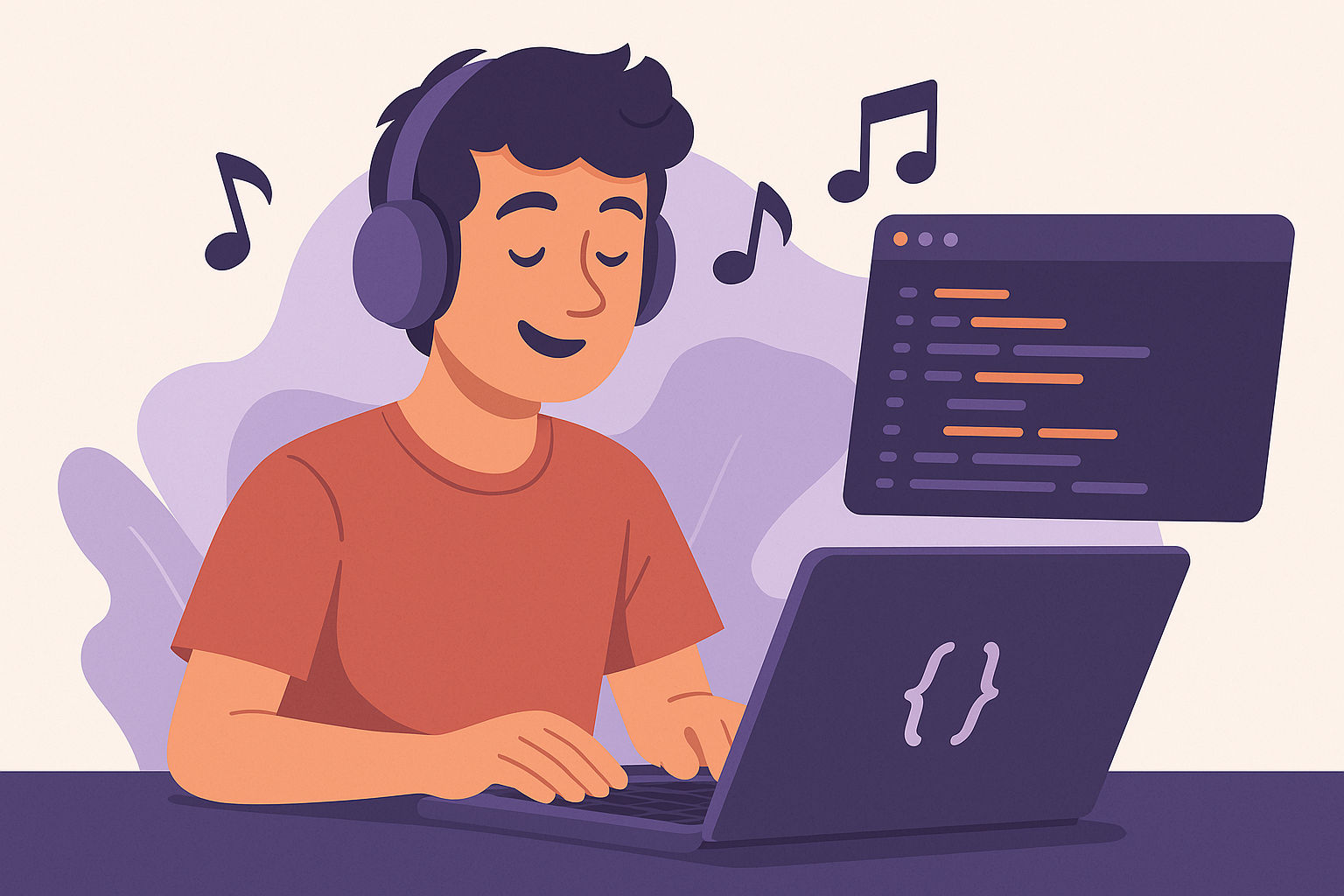
Vibe Coding emerged as a cultural phenomenon rather than a technical practice. It started with developers sharing their late-night coding sessions, accompanied by lo-fi music, dim lighting, and a sense of creative freedom. These sessions often result in innovative yet unconventional code structures. Social platforms like TikTok and Twitter amplified this trend, leading to a movement where coding became not just a task but an experience.
Key Characteristics:
- Coding without predefined structures or strict patterns.
- Prioritizing creativity and flow over conventional best practices.
- Often associated with rapid prototyping and experimental projects.
Evolution and Popularity
As more developers embraced this practice, Vibe Coding evolved from spontaneous sessions to a conscious effort to create a conducive environment for creativity. Developers began experimenting with different settings—candlelit rooms, nature sounds, or high-energy playlists—to see how it affected their productivity and coding patterns.
Why Is It Trending?
Vibe Coding has found its place particularly in creative and agile environments where speed and flexibility are prioritized. Several factors contribute to its popularity:
- Creative Freedom: Encourages developers to think outside the box.
- Rapid Prototyping: Ideal for brainstorming sessions and proof-of-concept projects.
- Less Stressful: Minimizes the pressure of adhering to strict coding conventions.
- Personal Expression: Allows developers to showcase their individual style.
However, while it sounds liberating, not all developers are convinced of its utility in production environments.
The Pros of Vibe Coding
[[NEWSLETTER]]
- Flexibility: Reduces time spent on structure and formatting.
- Enhanced Creativity: Encourages innovative problem-solving.
- Faster Prototyping: Suitable for hackathons and idea exploration.
- Personal Satisfaction: Developers feel more connected to their code.
- Flow State: Helps developers enter a state of flow where coding feels natural and intuitive.
- Improved Mental Well-being: By associating coding with positive emotions, developers may reduce coding anxiety.
The Cons of Vibe Coding
- Lack of Maintainability: Code becomes harder to read and collaborate on.
- Reduced Standardization: Inconsistent patterns can lead to technical debt.
- Scalability Issues: Codebases may become unmanageable as they grow.
- Debugging Difficulties: Unstructured code can introduce unexpected bugs.
- Unstructured Learning: Beginners might pick up bad habits if they rely solely on Vibe Coding.
A Real-Life Example of Vibe Coding Gone Wrong
One interesting (and somewhat humorous) example of Vibe Coding gone wrong can be found in a GitHub project where the developer set out to build a chatbot recommending holiday packages. The problem statement clearly defined the goal: parse a dataset containing information about holiday packages (like package name, destination, number of days, and sightseeing) and provide accurate recommendations based on user requirements.
However, during the implementation, the chatbot ended up recommending laptops instead of holiday packages. This mishap likely resulted from coding in a flow state without double-checking data input or the model's purpose—essentially, coding based on instinct rather than following a structured approach.
This highlights one of the main drawbacks of Vibe Coding:
While the creative flow can be liberating, it can also lead to mistakes when developers don't pause to validate their assumptions.
In this case, the developer might have been immersed in the coding experience and overlooked the mismatch between the dataset and the chatbot's purpose.
How Vibe Coding Impacts the Developer Community
The coding culture around Vibe Coding is divided. Proponents argue that it injects a fresh perspective into programming, breaking the monotony of conventional coding styles. Critics, however, caution that it can compromise code quality and maintainability, especially in large-scale projects.
Is Vibe Coding Good or Bad for Software Developers?
The answer depends on context:
- Good for: Small projects, personal hacks, creative coding, and rapid ideation.
- Bad for: Production environments, team-based projects, and long-term maintenance.
Best Practices for Vibe Coding
- Set Boundaries: Use Vibe Coding only during brainstorming or prototype phases.
- Document as You Go: Keep notes on unconventional approaches for future reference.
- Mix Vibe with Structure: Use structured frameworks to balance creativity with order.
- Collaborate with Care: Make sure your team understands your approach before diving in.
Conclusion
Vibe Coding is undoubtedly an intriguing trend, reflecting a desire for freedom and creativity in software development. While it can foster innovation, it also poses risks when applied without caution. Developers should weigh the pros and cons carefully, using Vibe Coding when appropriate but maintaining best practices when necessary.
The real challenge lies in finding a balance between creative flow and disciplined coding. As Vibe Coding evolves, it will be fascinating to see whether it remains a niche practice or becomes a mainstream approach.